Farm Family Emergency Response Program

The Farm Family Emergency Response Program provides awareness training for individuals living or working on farms or ranches and outlines basic responses and actions individuals should consider prior to the arrival of emergency response personnel to the scenes of agricultural emergencies. Effective action by individuals at the scene of an accident can raise the likelihood of a positive outcome for an injured victim.

Click here to be directed to the Farm Family Emergency Response Program site.

Program Details

Target Audience

The program is designed for individuals who work in production agriculture or live on farms or ranches or in rural areas. This training is especially important for farm and ranch managers and employees, spouses and family members living on farms or ranches, 4-H members, and FFA groups.

Learning Objectives and Goals

The Farm Family Emergency Response Program was designed to achieve the following objectives:

  • To teach individuals how to keep themselves physically and emotionally safe during agricultural emergencies or rescues
  • To teach individuals the types of actions that will have a positive impact on the well-being of accident victims
  • To teach people how to summon additional help and engage those individuals in the rescue response
  • To reinforce the importance of first aid and CPR training for individuals involved in production agriculture

Instructors

Instructors for this program typically include Cooperative Extension educators, hospital personnel, agricultural education teachers, and emergency services instructors. The instructor materials include a 20-minute tutorial explaining how to present the program, a sample presentation demonstration, reproducible class materials, instructional materials, and module narratives.

Learning Activities

The Farm Family Emergency Response Program is divided into 12 modules that cover topics related to the primary causes of agricultural injury and death. Each module includes a period for the discussion of prevention strategies. Participants are encouraged to implement safety strategies and recommendations on their farms and ranches. 

Evaluation

The instructor should measure the effectiveness of the class by having participants complete the pretest and posttest located in the instructor’s manual. Participants complete registration cards that can be used for follow-up to determine whether participants made changes on their farms or ranches because of the program.
 

Reviewed and Summarized by:
Linda M. Fetzer, Pennsylvania State University – lmf8@psu.edu
Davis Hill, Pennsylvania State University (Has since retired)
Dennis J. Murphy, Pennsylvania State University (Has since retired)
Aaron M. Yoder, University of Nebraska Medical Center – aaron.yoder@unmc.edu
 

NSTMOP: Student Information


HOSTA Hazardous Occupational Safety Training Agriculture logo

Youth ages 14 and 15 years old seeking employment in production agriculture must comply with the training requirements of the U.S. Department of Labor’s Hazardous Occupations Order in Agriculture (AgHOs) law. As part of meeting the training requirements, youth must complete an approved training program. The National Safe Tractor and Machinery Operation Program (NSTMOP) is a comprehensive program that consists of 24 hours of intensive instruction that incorporates the use of task sheets accompanied by skills and driving instruction. After completing classroom instruction, each student must complete a 50-question knowledge test and obtain a minimum passing score of 70%. Once a student successfully passes the knowledge test, he or she is then be permitted to take the program’s skills and driving tests. Upon successful completion of all parts of the NSTMOP, the student receives a formal certificate of completion from the NSTMOP.

To locate an NSTMOP instructor in your area, contact the NSTMOP office at nstmop@psu.edu.

Student Curriculum

In its third edition, this student manual provides in-depth information on what youth can expect when working on a farm, safety basics, agricultural hazards, how to operate a tractor, and how to handle materials, among other important topics. This latest edition features updated regulations, vibrant and detailed illustrations and photos, and an improved user-friendly layout, and includes:

  • An introduction to the NSTMOP
  • A program outline for the six modules
  • A driving test layout and evaluation form
  • A list of core competencies that each student should master
  • Instructional task sheets

While required for NSTMOP training courses, this manual is available to any adult or young person who wants to learn more about agricultural safety. To order the manual, visit Penn State Extension at https://extension.psu.edu/national-safe-tractor-and-machinery-operation-program-manual


Frequently Asked Questions

Click HERE to view a list of commonly asked questions concerning the NSTMOP program. Any additional questions can be emailed to the NSTMOP office at nstmop@psu.edu.

Reviewed and Summarized by:
Linda M. Fetzer, Pennsylvania State University – lmf8@psu.edu
Dennis J. Murphy, Pennsylvania State University – (has since retired)
Aaron M. Yoder, University of Nebraska – aaron.yoder@unmc.edu

NSTMOP: Instructor Information


HOSTA Hazardous Occupational Safety Training Agriculture logo

The National Safe Tractor and Machinery Operation Program (NSTMOP) is primarily a training program for 14- and 15-year-olds seeking employment in production agriculture. Completing the NSTMOP constitutes compliance with the training requirements of the U.S. Department of Labor’s Hazardous Occupations Order in Agriculture (AGHOs) law. However, the curriculum of this program can also be used to teach new and inexperienced tractor operators of all ages and backgrounds how to safely operate farm tractors and other machinery. In addition, the curriculum provides an introduction to farm and ranch hazards and risks. When students that are 16 years of age and older complete the program, formal evaluation (the knowledge, driving, and skills tests) and the certificate of completion are not required. Instructors might nevertheless wish to take advantage of these components to add structure to their teaching.

Youth between the ages of 14 and 15 can be certified only by Cooperative Extension educators or by high school agriculture instructors (vocational agriculture teachers or agricultural science teachers). The signature of such an educator on the U.S. Department of Labor certificate indicates that a student has successfully passed all requirements of the training program. Only approved NSTMOP instructors can use the NSTMOP curriculum materials.

Instructor Requirements

To become an instructor, you must pass this course with a minimum score of 70%. Once certified, you will gain access to additional instruction materials, including the instructors’ manual, PowerPoints to help you teach safety materials, and more.

For those seeking to become a certified NSTMOP Instructor our new online course can be accessed at Instructor Training Course.

If you have questions about the program please email Linda Fetzer at lmf8@psu.edu or call 814-865-4582.

Student Curriculum

In its third edition, this student manual provides in-depth information on what youth can expect when working on a farm, safety basics, agricultural hazards, how to operate a tractor, and how to handle materials, among other important topics. This latest edition features updated regulations, vibrant and detailed illustrations and photos, and an improved user-friendly layout, and includes:

  • An introduction to the NSTMOP
  • A program outline for the six modules
  • A driving test layout and evaluation form
  • A list of core competencies that each student should master
  • Instructional task sheets

While required for NSTMOP training courses, this manual is available to any adult or young person who wants to learn more about agricultural safety. To order the manual, visit Penn State Extension at https://extension.psu.edu/national-safe-tractor-and-machinery-operation-program-manual


After the instruction is complete, each student must complete a 50-question knowledge test and obtain a minimum passing score of 70%. Students who successfully pass the knowledge test are then permitted to take the skills and driving tests. Upon successful completion of all parts of the NSTMOP, students receive a formal certificate of completion.

Frequently Asked Questions

Click HERE for frequently asked questions concerning the NSTMOP program. Any additional questions can be emailed to the NSTMOP office at nstmop@psu.edu.

Reviewed and Summarized by:
Linda M. Fetzer, Pennsylvania State University – lmf8@psu.edu
Dennis J. Murphy, Pennsylvania State University – (Has since retired)
Aaron M. Yoder, University of Nebraska – aaron.yoder@unmc.edu

Preventing Tractor Runover Incidents


Use the following format to cite this article:

Preventing tractor runover incidents. (2013). Farm and Ranch eXtension in Safety and Health (FReSH) Community of Practice. Retrieved from http://www.extension.org/pages/67752/preventing-tractor-runover-incidents.


The main types of tractor incidents include rollovers, power-take off entanglements, and runovers. Runover incidents that occur can involve either the operator or a bystander. Tractor manufacturers have made changes (e.g., safety start system) to reduce the risk of certain types of runover incidents. However, all types of runover incidents can be prevented by understanding the hazard and following specific safety recommendations.

Runover of Extra Rider

A runover incident can occur when an extra person on the tractor falls off the tractor and is run over by the tractor or an attachment. There should never be an extra rider on a tractor. The only exception is that a few newer, larger tractor models with an enclosed rollover protective structure (ROPS) cab have a factory-installed extra seat for temporary instructional purposes only. Most tractors used on farms and ranches only have one seat and that is for the operator only. Runover incidents can occur to a person who rides on the tractor drawbar, axle housing, side links of the three-point hitch, rear-wheel fender, or other area around the operator’s seat. When standing or sitting on one of these areas, a person can lose his or her grip, be thrown from the tractor, and be run over by the tractor or an implement.

Prevention Step:

  • Never allow an extra rider on a tractor.

Runover of Operator

A tractor runover incident can occur to the operator if he or she falls from the moving tractor and is run over by the tractor tire or an attachment. This type of incident can occur if the operator does not buckle the seat belt on a tractor with a ROPS or if an older tractor does not have a ROPS. An operator can be knocked out of the tractor seat by a tree branch or another obstacle. The operator can also lose balance if the tractor hits a tree stump or encounters rough terrain. An operator can be run over if he or she tries to mount or dismount a moving tractor.

Prevention Steps:  

  • Never dismount or mount a tractor or machine while it is in motion.
  • Use tractors with a ROPS with seat belt, and fasten the seat belt every time you operate the tractor.  
  • Slow down when driving on rough terrain or where hidden obstacles may exist.
  • Before leaving the tractor seat, always shut off the tractor and set the brake or place the tractor in PARK.
  • Make sure that the tractor’s brakes and clutch are in properly working condition.
  • Replace old pan-type seats with seats that have back and arm rests.

Runover of Person Located on the Ground due to Bypass Starting

A person located on the ground near the tractor can be involved in a tractor runover incident. This type of runover can happen to the operator or a bystander if someone attempts to start the tractor from the ground (e.g., bypass starting) and the tractor is in gear.

Prevention Steps:

  • Always start the engine from the operator’s seat.
  • Add or leave the bypass shield on the starter terminals.
  • Keep the tractor’s electrical system in good working condition.
  • Do not disable or wire around the safety interlocks installed by the manufacturer.
  • Always visually check in all directions for people around the tractor before moving the tractor.
  • Reduce your speed when operating the tractor in an area where people are located.
  • Instruct everyone how to get the attention of a tractor operator before approaching the tractor.
  • Provide a safe play area for children to keep them away from farm or ranch work areas.
  • Make sure that all children at your farm or ranch are properly supervised at all times.

Runover of Person Located on the Ground near the Tractor

Bystanders and children are at risk of a tractor runover incident if the operator does not see them. This is especially a concern if they approach a moving vehicle while it is hauling a load in a bucket or using a bale spear attached to the front or rear of the tractor and are knocked down in its path. Bystanders do not always realize they cannot be seen by the operator. They can slip and fall under a wheel of the tractor or equipment.

Prevention Steps:

  • Always visually check in all directions for people around the tractor before moving the tractor.
  • Reduce your speed when operating your tractor in an area where people are located.
  • Instruct everyone how to get the attention of a tractor operator before approaching the tractor.
  • Bystanders should not approach a moving tractor until recognized and acknowledged by the operator.
  • Provide a safe play area for children to keep them away from farm or ranch work areas.
  • Make sure that all children at your farm or ranch are properly supervised at all times.


Use the following format to cite this article:

Preventing tractor runover incidents. (2013). Farm and Ranch eXtension in Safety and Health (FReSH) Community of Practice. Retrieved from http://www.extension.org/pages/67752/preventing-tractor-runover-incidents.


Sources:

Harshman, W., Yoder, A., Hilton, J., & Murphy, D. (2011) HOSTA task sheet 4.2: Tractor Hazards. Pennsylvania State University. National Safety Tractor and Machinery Operation Program. Retrieved from http://www.extension.org/sites/default/files/NSTMOP%20Task%20Sheets%20Se….

Miller, J. & Fragar, L. (2006) Farm machinery injury: Injury involving tractor run-over. Retrieved from https://sydney.edu.au/medicine/aghealth/uploaded/Research%20Reports/farm….

Smith, D. (2004) Safe tractor operation: Runover prevention. Texas A & M System AgriLIFE Extension. Retrieve from http://agsafety.tamu.edu/files/2011/06/SAFE-TRACTOR-OPERATION-RUNOVER2.pdf.


Reviewed and Summarized by:
Linda M. Fetzer, Pennsylvania State University – lmf8@psu.edu
Dee Jepsen, Ohio State University jepsen.4@osu.edu
Dennis J. Murphy, Pennsylvania State University (Has since retired)
Charles V. Schwab, Iowa State University cvschwab@iastate.edu
Aaron M. Yoder, University of Nebraska Medical Center – aaron.yoder@unmc.edu


Zoonotic Disease and Agriculture

Cows in Field

(Source: Penn State Ag Safety and Health)

Use the following format to cite this article:

Zoonotic disease and agriculture. (2013). Farm and Ranch eXtension in Safety and Health (FReSH) Community of Practice. Retrieved from http://www.extension.org/pages/67489/zoonotic-disease-and-agriculture.


Zoonotic diseases, or zoonoses, are diseases that can be transmitted from insects or vertebrate animals to humans. Zoonoses are caused by bacteria, protozoa, fungi, viruses, or parasites, which are often part of an animal’s natural flora but cause disease in humans. Infections can result from direct contact with animals or their products such as manure or placenta. Direct transmission can also occur through consumption of animal products (e.g., raw meat, raw milk, etc.) or through an animal bite. Humans can also become indirectly infected by contact with contaminated soil, food (e.g., produce), or water. Farmers, ranchers, veterinarians, slaughterhouse workers, and other agricultural workers have a higher risk of contracting zoonoses because of their close contact with animals.

Good personal hygiene is a primary line of defense against the transmission of zoonoses (e.g., influenza). For example, if your hands have been contaminated with bacteria, and you do not wash your hands, you could introduce the bacteria into your body when eating or rubbing your eyes. Protect yourself from most zoonotic diseases by practicing good hygiene after handling animals or their waste by thoroughly washing your hands with soap and running water for 20 seconds and use a paper towel to dry your hands.

In addition to proper hand washing, the following recommendations can further reduce your risk for zoonoses:

Personal protective equipment: Use appropriate personal protective equipment (e.g., waterproof apron, rubber gloves, face shields, etc.) when completing high-risk activities (e.g., handling a placenta after birth).

Work clothes – Have designated work clothes and boots that you use specifically for farm and ranch jobs, and regularly wash these clothes.

Work space – Disinfect and maintain a clean work space and environment.

Wound care – If you have a cut or abrasion, properly clean and cover the area with a waterproof bandage to reduce contaminants from entering your body through the wound. Wear gloves over bandaged wounds on the hands. Do not work with animals if your wound cannot be completely covered or is actively bleeding.  

Disposal of medical waste – When completing herd health responsibilities (e.g., handling blood samples), properly label and dispose of waste (e.g., syringes) rather than using your domestic waste disposal. Check state guidelines for specific disposal requirements.

Monitor herd health – Complete recommended immunizations and monitor all animals on your farm or ranch for disease and stress. Isolate and treat sick animals.  

Rodent reduction – Control or eliminate rat and mouse populations, which can carry and transmit disease.

Visitor education – Inform visitors about the importance of good hygiene practices on your farm or ranch. Provide hand washing facilities (running water, soap, and paper towels are preferred over hand sanitizer). Use signage to encourage visitors to practice good hand hygiene particularly after visiting with animals.   

Food safety issues – Have designated eating areas on the farm away from animals. Properly cook meat, avoid cross contamination (contamination between foods), and do not consume raw meat and milk.

Resources:

Click HERE to be directed to the publication titled Disease from Select Zoonotic Agents to learn more about the routes of transmission, type of diseases, animal carriers, incubation period, and clinical signs.


Use the following format to cite this article:

Zoonotic disease and agriculture. (2013). Farm and Ranch eXtension in Safety and Health (FReSH) Community of Practice. Retrieved from http://www.extension.org/pages/67489/zoonotic-disease-and-agriculture.


Sources:

Disease from select zoonotic agents. (2005) Iowa State University. The Center for Food Security & Public Health. Retrieved from http://www.cfsph.iastate.edu/Zoonoses/assets/English/DiseaseFromSelectZoonoticAgentsWallChartWebVersion.pdf.

Harshman, W., Yoder, A., Hilton, J., & Murphy, D. (2013) Animal, wildlife, and insect related hazards. HOSTA Task Sheet 3.14. The Pennsylvania State University. Retrieved from http://www.extension.org/sites/default/files/NSTMOP%20Task%20Sheets%20Se….

Murdoch, B. (2007) Zoonoses – animal diseases that may also affect humans. Department of Primary Industries. Victoria, Australia. Retrieved from http://agriculture.vic.gov.au/agriculture/pests-diseases-and-weeds/anima….


Reviewed and Summarized by:
Glen Blahey, Canadian Agricultural Safety Association GBlahey@casa.acsa.ca

Lynn Z. Blevins, University of Vermont lblevins@uvm.edu
Linda M. Fetzer, Pennsylvania State University – lmf8@psu.edu
Dennis J. Murphy, Pennsylvania State University (has since retired)
Aaron M. Yoder, University of Nebraska Medical Center – aaron.yoder@unmc.edu


Integrating Safety into Agritourism

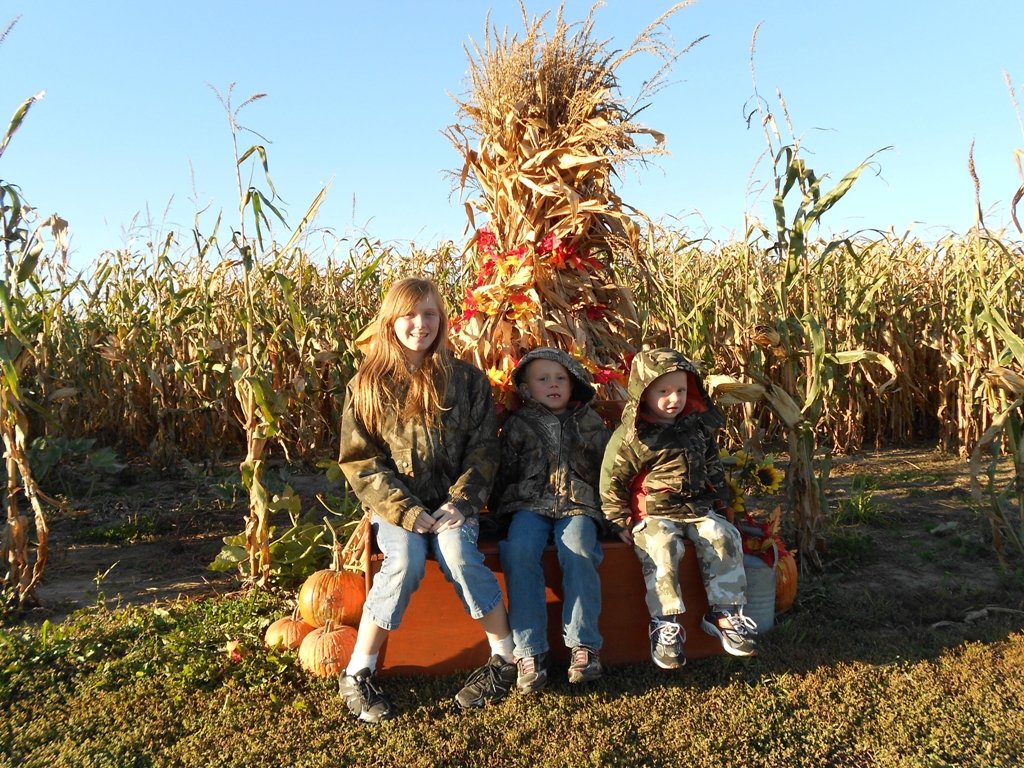
Agritourism Photo


(Photo Source: National Children’s Center for Rural & Agricultural Health and Safety)

Farm and ranch operations continue to diversify by adding activities such as corn mazes, hay rides, and product sales (farm markets, pick your own, etc.). Although these new enterprises create additional revenue for the farm or ranch, these ventures also have their own set of potential safety hazards. The National Children’s Center for Rural and Agricultural Health and Safety developed a comprehensive website that will assist farmers and ranchers with usable information to minimize the risk of injury on their operations.

Click HERE to be directed to the “Integrating Safety into Agritourism” website, which provides an overview of agritourism safety and health. It gives you the option to select specific types of “walkthroughs” based on your operation. The Walkthrough tab on the home screen allows you to click on 11 different  topics (animals, hand washing, machinery, etc.) that provide you with specific information about that topic. The walkthroughs use photos to contrast safety concerns and hazards with best practices and guidelines. Review questions and resource information accompany the photos.

Operating a business that involves working with the public can be challenging, and communication is highly essential when it comes to visitors to your farm or ranch. Many of these visitors will have little or no experience with agriculture, so it is important for you to minimize potential hazards and properly communicate information about hazards. Click HERE to be directed to a tutorial about communicating with your guests about hazards. The tutorial will assist you with the planning process and signage prior to and during your event.

The “Resource Section” of the website is a comprehensive list of resources divided into categories that will enable you to reduce the potential risk of injury through the use of proper planning, signage, policies, procedures, and health and safety guidelines. Click HERE to visit the resource page. It is divided into specific topic areas such as animal safety, corn maze safety, hayride safety, etc. Each topic area provides a checklist to use to “walk through” your operation and help you identify safety and health hazards. It also has resources you can use to address these hazards, including signage in both English and Spanish. All resources are free to download and use.


Reviewed and Summarized by:
Linda M. Fetzer, Pennsylvania State University – lmf8@psu.edu
Dennis J. Murphy, Pennsylvania State University – djm13@psu.edu
Marsha Salzwedel, National Children’s Center for Rural and Agricultural Safety and Health – salzwedel.marsha@mcrf.mfldclin.edu
Aaron M. Yoder, University of Nebraska Medical Center – aaron.yoder@unmc.edu
 

Fatality Assessment and Control Evaluation

The Fatality Assessment and Control Evaluation (FACE) is a program funded by the National Institute for Occupational Safety and Health (NIOSH) that monitors acute traumatic occupational deaths and identifies contributing factors. Click here to be directed to the main NIOSH FACE program page.

FACE is a research program. The staff does not enforce compliance with either state or federal Occupational Safety and Health Administration (OSHA) standards nor do they determine blame. Information collected through FACE is used to identify factors or trends that can be used to make recommendations to reduce the risk of similar deaths. Identifying information for employees or employers is not included in the published FACE reports. Click here to see how NIOSH uses FACE data in its published reports.

At the national level, NIOSH FACE began collecting voluntary fatality information in 1982. NIOSH then funded state-based programs where FACE fatality information was collected beginning in 1989. Currently, the states that manage FACE programs include California, Iowa, Kentucky, Massachusetts, Michigan, New Jersey, New York, Oregon, and Washington. State FACE programs are typically managed by state departments of health or labor. Click here if you are interested in contacting the staff collecting FACE information for a specific state.

FACE reports can be viewed based on specific criteria. Click here to view reports indexed according to location of incident, industry, cause, and population. The reports most relevant to agriculture are indexed by industry (e.g., agriculture, youth agriculture, etc.) and cause (e.g., confined spaces, machine-farming, etc.). View the “What’s New” section to view recent reports based on a specific month and year, or visit the state FACE report map to obtain fatality reports on a state-to-state basis.

Examples of agricultural resources created by FACE include the following:

Iowa FACE – Prevent Fatalities from Grain Entrapments

New York FACE – Fatal Injuries among Animal Handlers in New York State

Washington FACE – Hazards to Orchard Tractor and Machinery (English or Spanish


Reviewed and Summarized by:
Linda M. Fetzer, Pennsylvania State University – lmf8@psu.edu
Eric F. Jalonen, Washington State FACE Program – jale235@LNI.WA.GOV
Dennis J. Murphy, Pennsylvania State University – (has since retired)
Todd Schoonover, Washington State Department of Labor & Industries – scto235@LNI.WA.GOV
Aaron M. Yoder, University of Nebraska Medical Center – aaron.yoder@unmc.edu


Occupational Health and Safety Publications


Agriculture and Weather

Topic Title Organization Pub Date
Battling the Elements Safely University of Maine Extension 2002
Harvesting Health Series: Skin Cancer National Farm Medicine Center 2000
Injury Prevention: Types of Cold Stress The Ohio State University 2012
Injury Prevention: Working in Cold Weather The Ohio State University 2012
Personal Nature of Agriculture: Agriculture and Skin Cancer: What You Should Know University of Wyoming Cooperative Extension 2001
Preventing Heat Stress at Work WorkSafeBC 2007
Remember Sun Safety in the Field Iowa State University and Outreach 2002

Falls and Fall Prevention

Topic Title Organization Pub Date
Ladders, Lifting, and Falls University of Maine Extension 2002
Preventing Falls In and Around Homes Virginia Cooperative Extension 2011
Preventing Work Place Falls Virginia Cooperative Extension 2011

Health and Health Conditions

Topic Title Organization Pub Date
Arthritis and Agriculture National AgrAbility Project–Purdue University 2011
Arthritis and Farming Virginia Cooperative Extension 2009
Back Talk: An Owner’s Manual for Backs WorkSafeBC 2011
Blood Thinners and You: A Guide to Blood Thinners and Bleed Risk in Agriculture Missouri AgrAbility Project 2020
Do you have Asthma or COPD? University of Missouri – AgrAbility Project 2020
Farm Respiratory Hazards Pennsylvania State University 2014
Farmer’s Lung: Causes and Symptoms of Mold and Dust Induced Respiratory Illness Virginia Cooperative Extension 2009
Harvesting Health Series: Back Pain National Farm Medicine Center 2001
Managing Arthritis When Farming


Pain Medicine and Heavy Equipment

The Ohio State University

Missouri AgrAbility


2001


2021


Preventing Heart Disease The Ohio State University 2011
Respiratory Impairment in Agriculture


Smokeless Tobacco? Why Consider Quitting

The Ohio State University

Missouri AgrAbility Project

2013


2021


Understanding the Risks of Musculoskeletal Injury (MSI): An Educational Guide for Workers on Sprains, Strains, and Other MSIs


WorkSafeBC 2008

Continue reading “Occupational Health and Safety Publications”

Machinery and Equipment Safety Publications


Agricultural Tractors and Equipment

Topic Titles Organization Pub Date
Big Tractor Safety University of Maine Extension 2002
Chipper-Shredders University of Missouri Extension 2010
Combine Fires University of Illinois 2015
Combines and Corn Picker Safety University of Maine Extension 2002
Dangers of Agricultural Machinery University of Maine Extension 2002
Driving Farm Machinery Safely University of Maine Extension 2002
Electrocution Hazards on the Farm Iowa State University Extension and Outreach 2004
Extra Riders on Farm Equipment Pennsylvania State University 2006
Extra Riders Mean Extra Dangers Iowa State University Extension and Outreach 2008
Farm Dump Truck and Trailer Safety Pennsylvania State University 2005
Farm Machinery and Equipment Safety Part 1: Recognizing and Understanding the Hazards Rutgers Cooperative Extension 2007
Farm Machinery and Equipment Safety Part 2: Preventing Machinery Accidents During Operation Rutgers Cooperative Extension 2007
Front-End Loader Safety University of Maine Extension 2002
Hazards of the PTO on Farm Tractors Alabama Cooperative Extension 2005
Machinery Safety on the Farm Virginia Cooperative Extension 2009
Machinery Safety on the Farm Kansas State University 2010
Operating Mowers Safely Rutgers Cooperative Extension 2005
Potato Harvester Safety University of Maine 2002
Power Take-Off Safety Pennsylvania State University 2014
Preventing Farm Vehicle Backover Incidents

Protecting Farmworkers from Tractor and Harvester Hazards

OSHA

OSHA

2015

2014

Recognize Limitations to Avoid Injury Iowa State University Extension and Outreach 2011
Rollover Protection for Farm Tractor Operators Pennsylvania State University 2014
Safe Implement Hitching: A Guide for Safe Connection of Agricultural Tractors to Implements Association of Equipment Manufacturers and Canadian Agricultural Safety Association 2011
Safe Operation of Compact Tractors Virginia Cooperative Extension 2009
Safe Tractor Operation University of Missouri 2002
Selection and Inspection of Hoses: An Integral Component of Everyday Equipment Purdue Extension 2010
Skid Steer Safety for Farm and Landscape Pennsylvania State University 2006
Skidder Safety and Efficiency: A Discussion Leader’s Guide Virginia Cooperative Extension 2009
Three-Point Rotary Lawn and Brush Mower Safety The Ohio State University 2015
Tractor Hitch Pin: A Critical Component in Keeping Control of Implements Purdue Extension 2012
Tractors in the Woods Pennsylvania State University 2011
Tractor Stability and Instability Pennsylvania State University 2014
Tractor Safety University of Maine 2002
Use Tractors with ROPS to Save Lives Iowa State University Extension and Outreach 2002
Wagon Safety University of Maine Extension 2002

Agricultural Vehicles, Visibility, and Public Roadways

Topic Titles Organization Pub Date
A New Look for Farm Safety: Reflective and Fluorescent Tape Iowa State University and Outreach 2000
Farm Dump Truck and Trailer Safety Pennsylvania State University 2013
Hold it Down! (Poster)

Hold it Down! (Pocket Guide)

Purdue University 2008
Lighting Self-Propelled Farm Equipment Alabama Cooperative Extension 2005
Make Sure Your Load Is Secure The Ohio State University 2011
Rx for SMV Highway Safety: Be Conspicuous Pennsylvania State University 2013
Securing the Load Purdue Extension 2009
Transporting Farm Equipment Purdue University 2011
Use SMV Emblems for Your Safety Iowa State University Extension and Outreach 2004

ATV

Topic Titles Organization Pub Date
All-Terrain Vehicle Safety National Children’s Center for Rural and Agricultural Health and Safety 2003
All-Terrain Vehicle Safety: ATV Safety for Farm Work, Recreation Iowa State University Extension and Outreach 2008
All-Terrain Vehicles University of Missouri Extension 2000
ATVs and Youth: Matching Children and Vehicles Pennsylvania State University 2013
Safe Use of ATVs in Agriculture Pennsylvania State University 2013

Chain Saws and Tree Felling

Topic Titles Organization Pub Date
Chain Saw Safety University of Maine Extension 2002
Chain Saws: Safety, Operation, Tree Felling Techniques Kansas State University 2011
Chainsaw Safety Tips University of Georgia Cooperative Extension 2010
Felling, Limbing, and Bucking Trees University of Missouri 2011
Operating a Chain Saw Safely University of Missouri 2011

Hand Signals

Topic Titles Organization Pub Date
Agricultural Hand Signals Pennsylvania State University 2008

Lawn Care

Topic Titles Organization Pub Date
Hand Tools Safety: Lawncare Virginia Cooperative Extension 2012
Hand Tools Safety: Lawncare Training Guide Virginia Cooperative Extension 2012
Lawnmower Safety: Practice Lawnmower Safety on Farms Iowa State University Extension 2008
Power Tool Safety University of Maine Extension 2002
Powered Hand Tool Safety: Lawncare Virginia Cooperative Extension 2012
Powered Hand Tool Safety: Lawncare Training Guide Virginia Cooperative Extension 2012
Rotary Mowers Safety: Lawncare Virginia Cooperative Extension 2012
Rotary Mowers Safety: Lawncare Training Guide Virginia Cooperative Extension 2012
Utility Type Vehicle (UTV) Safety: Lawncare Virginia Cooperative Extension 2012
Utility Type Vehicle (UTVs): Lawncare Training Guide Virginia Cooperative Extension 20012

American Society of Agricultural and Biological Engineers

ASABE Logo

The American Society of Agricultural Engineers (ASAE) is a technical and educational organization for engineers and others dedicated to advancement of engineering applicable to agricultural, food, and biological systems. Originally founded in 1907 as the American Society of Agricultural Engineers, the organization changed its name in 2005 to the American Society of Agricultural and Biological Engineers (ASABE) to include advances in biology to the engineering profession.

ASABE Standards Program

ASAE adopted its first standard practice in 1912. The ASABE Standards Program, which is accredited by the American National Standards Institute (ANSI), is the recognized standard for engineering in agricultural, food, and biological systems. According to ASABE, standards are defined as engineering requirements or specifications prepared to define materials, products, processes, tests, testing procedures, and performance criteria to achieve a specific purpose. These standards are developed because there is a need to address a common problem. ASAE/ASABE has adopted approximately 75 standards that are totally or largely safety oriented.

Click here for more information about the ASABE Standards Program.

Ergonomics, Safety. and Health Division

The Ergonomic, Safety. and Health (ESH) Division was formed in 2002 to lead and coordinate the activities of ASABE so that the talent of its members are effectively applied to agricultural safety, ergonomic, and health needs of constituents served by ASABE. The ESH Division encompasses all aspects of agricultural safety, ergonomics, and health for users of equipment, systems, and facilities. The major areas of responsibility are addressed by five committees and special task forces. The five committees are ESH-01 Executive/Oversight Committee, ESH-02 Policy and Forward Planning Committee, ESH-03 Standards Committee, ESH-04 Technology Exchange Committee, and ESH-05 Nominations Committee.

ASABE Activities

In addition to the standards programs, ASABE offers annual professional conferences, publications, a technical library, and professional journals, including the Journal of Agricultural Safety and Health (JASH).

Click here to visit the organization’s home page and learn more about its activities.

 
Reviewed and Summarized by:
Linda M. Fetzer, Pennsylvania State University – lmf8@psu.edu
Dennis J. Murphy, Pennsylvania State University – djm13@psu.edu
Charles V. Schwab, Pennsylvania State University – cvschwab@iastate.edu
Aaron Yoder, University of Nebraska Medical Center – aaron.yoder@unmc.edu